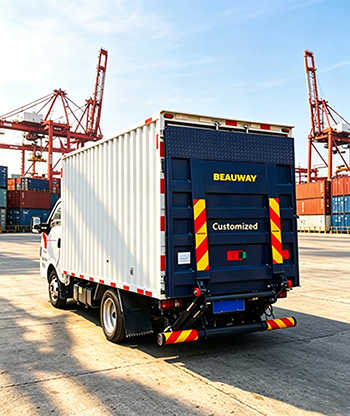
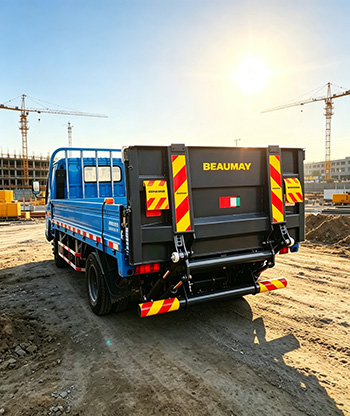
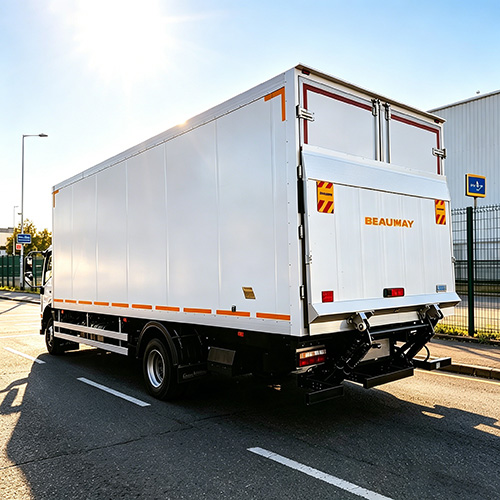
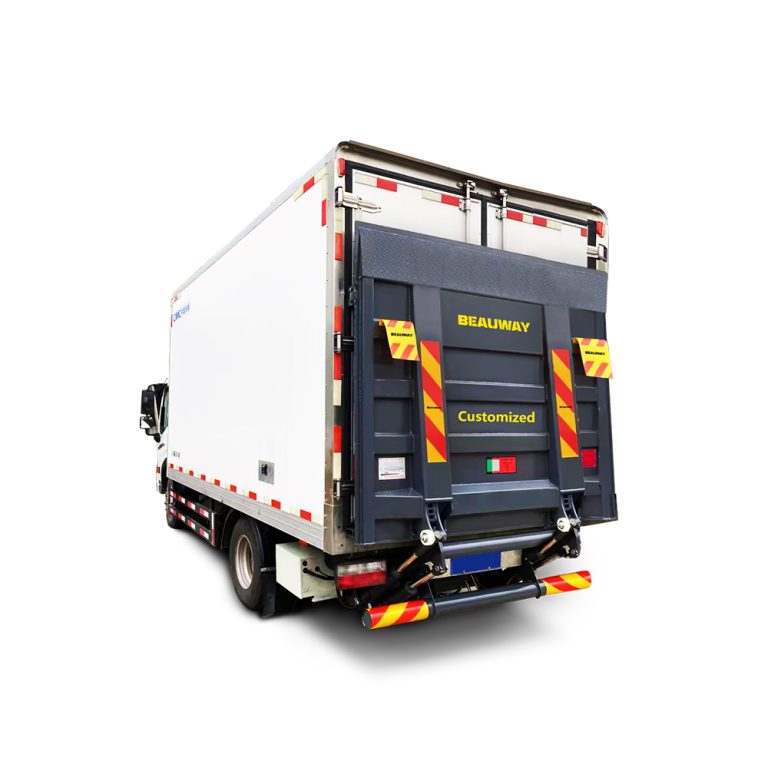
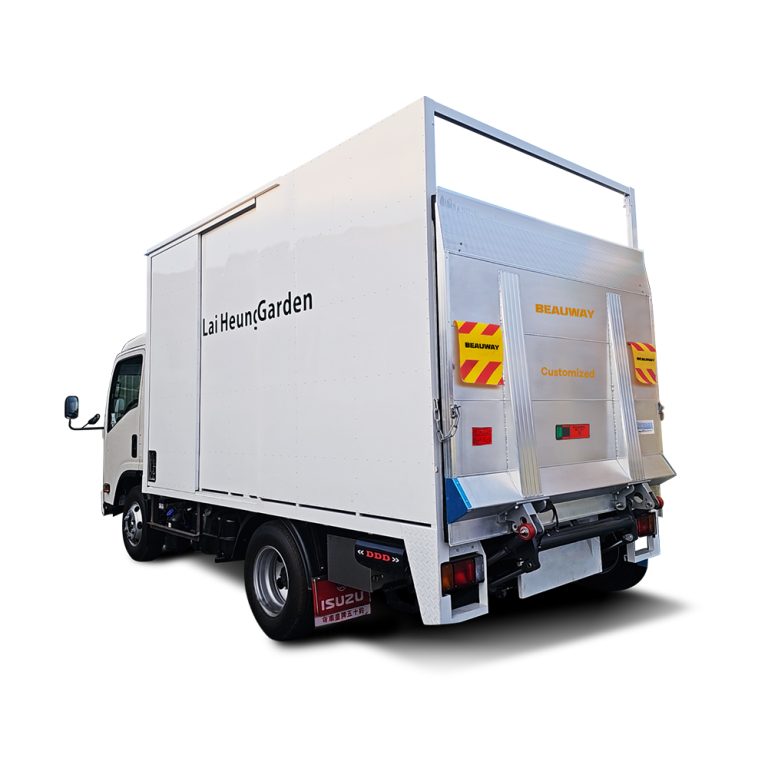
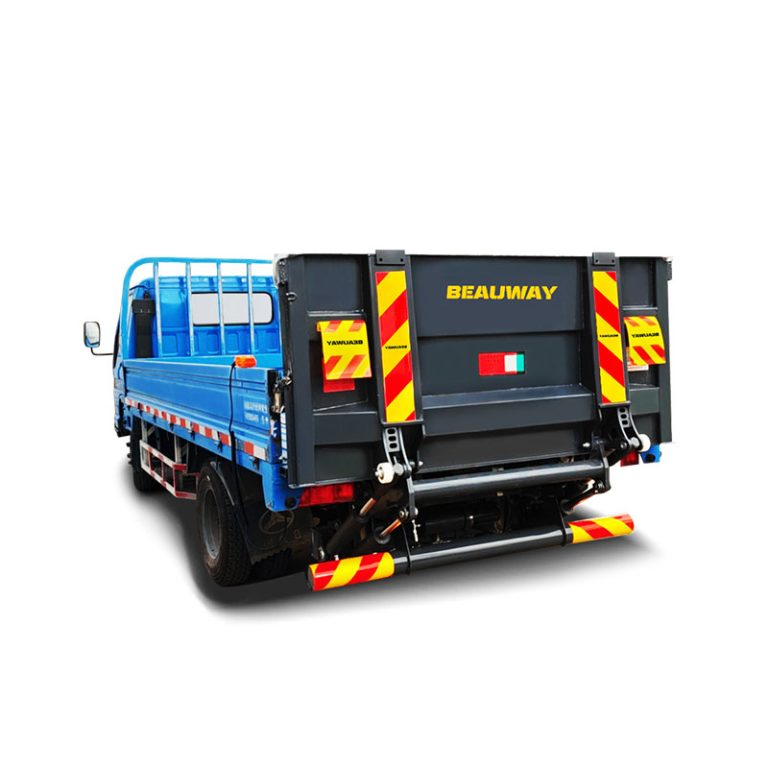
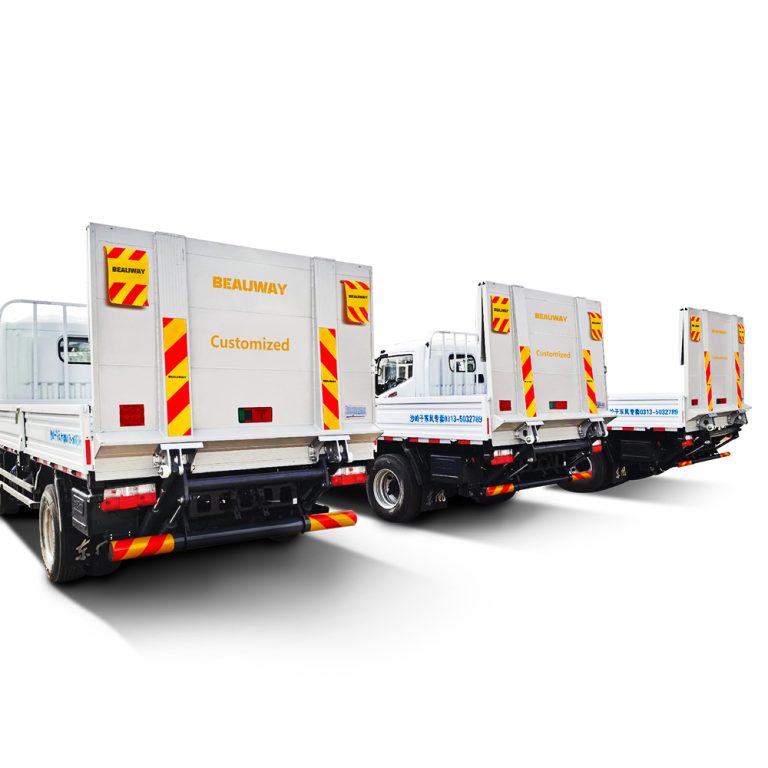
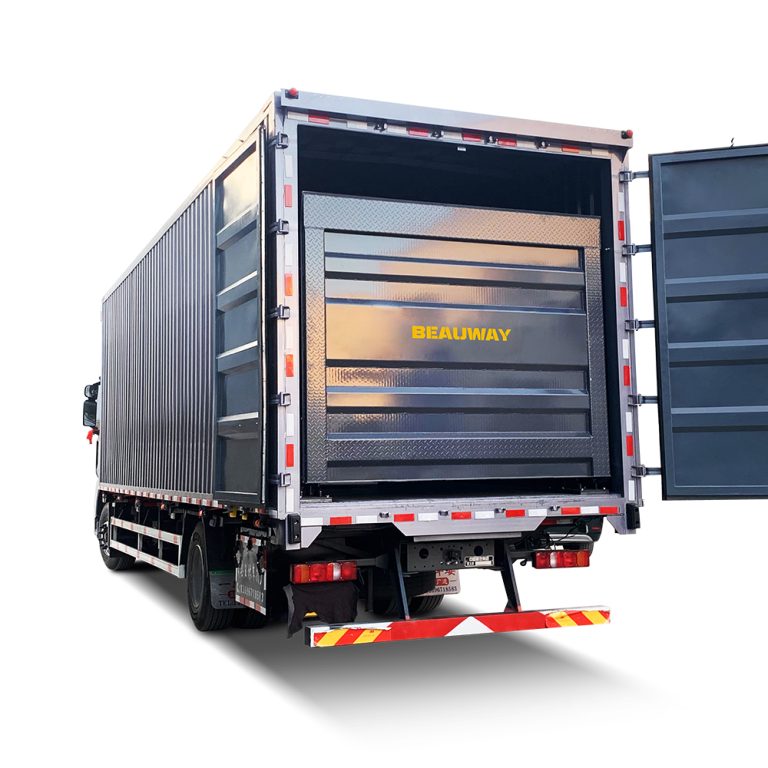
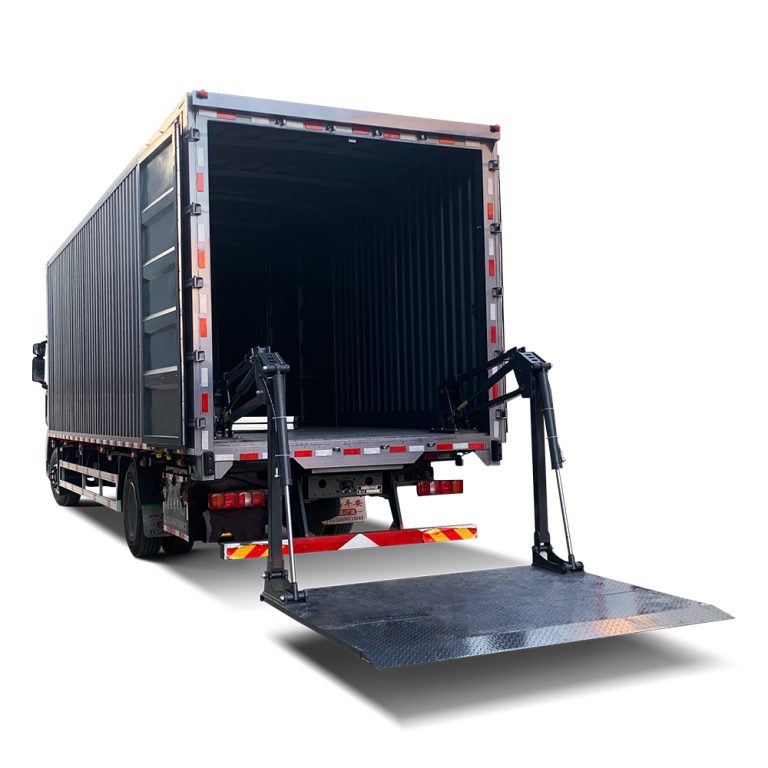
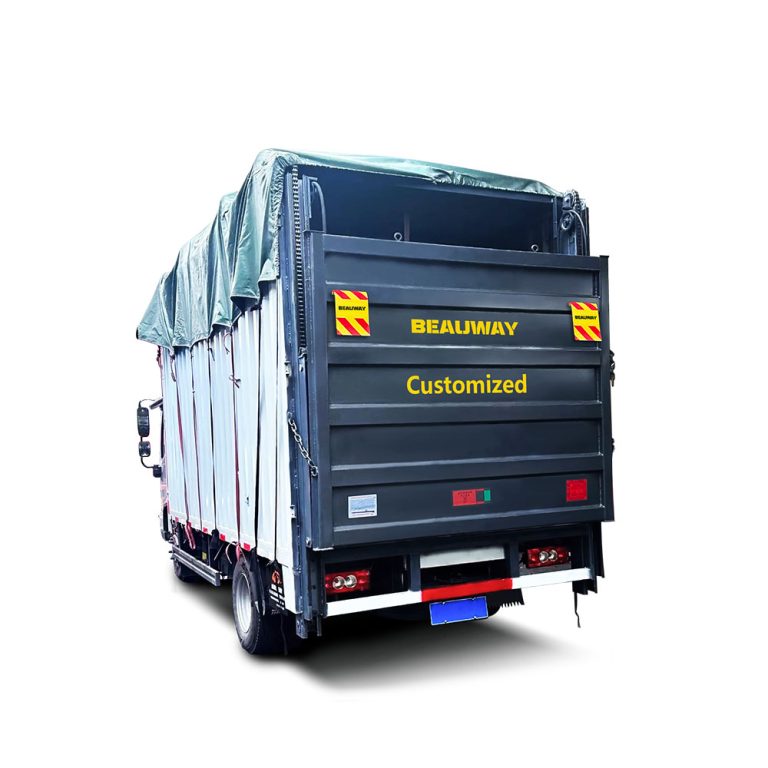
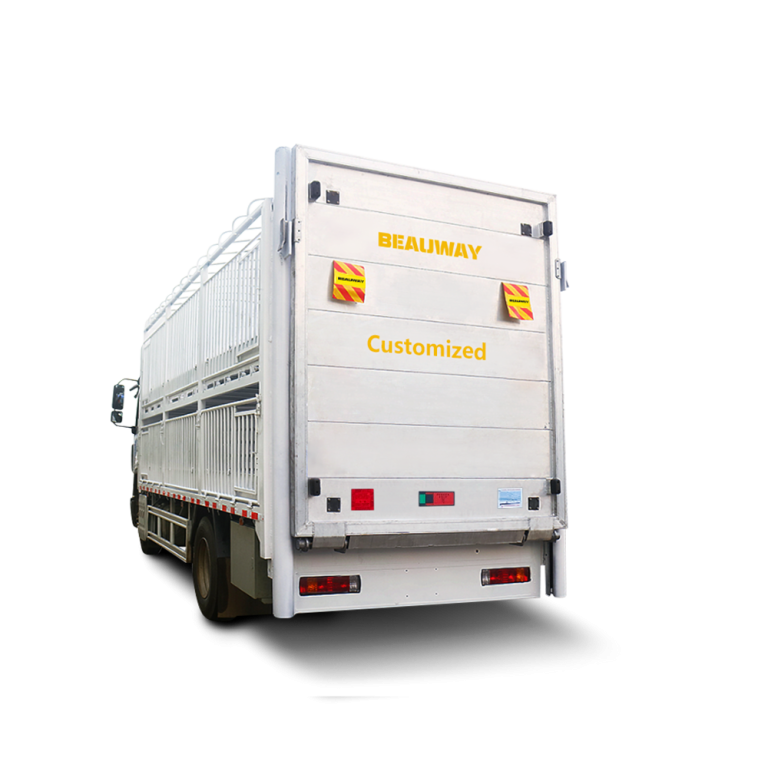
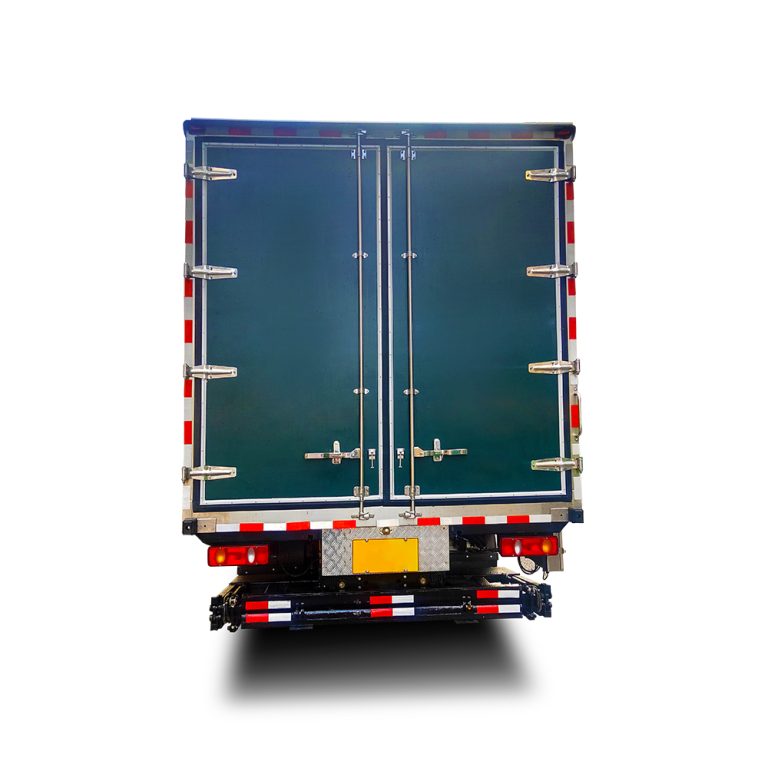
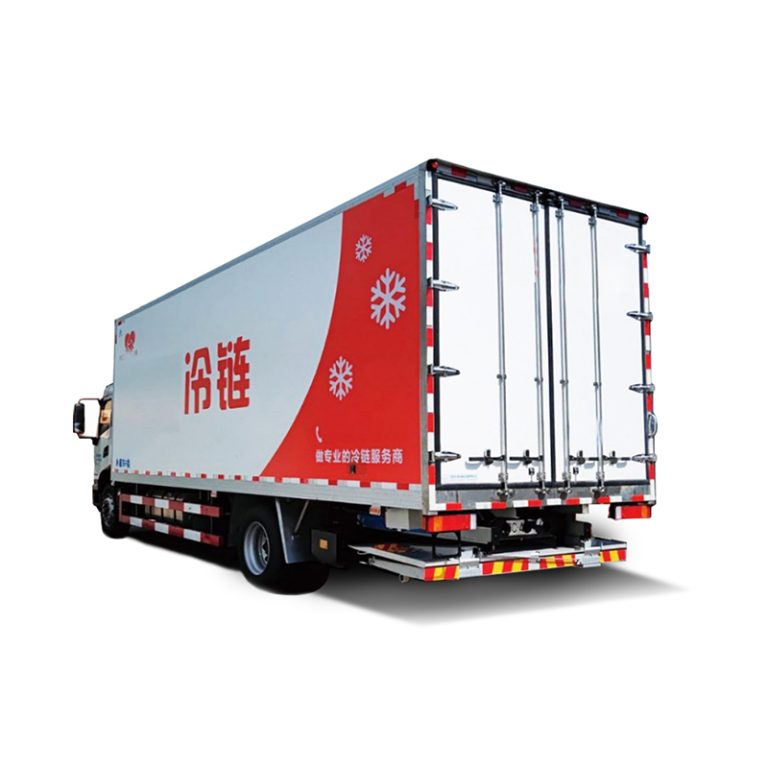
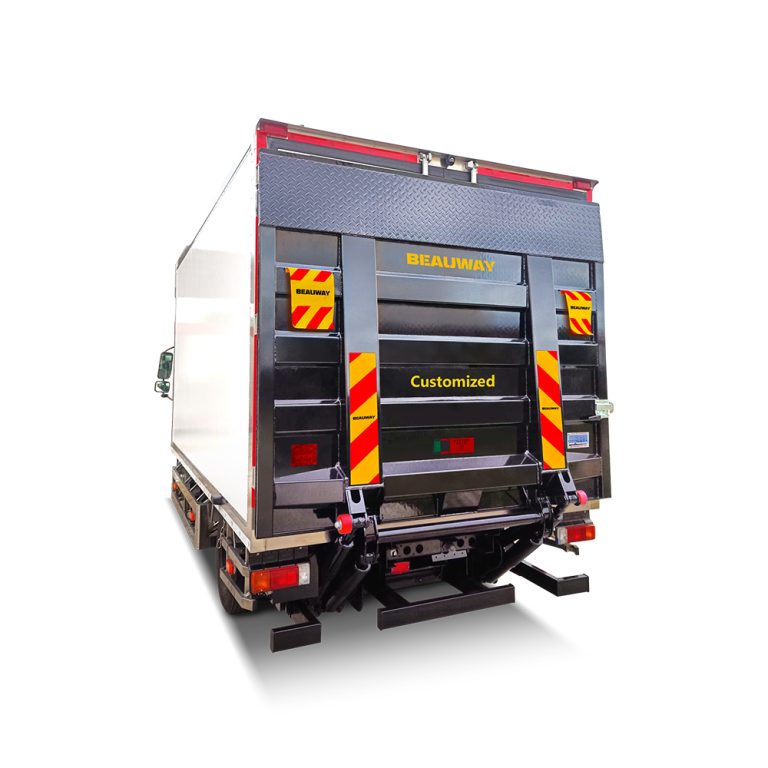
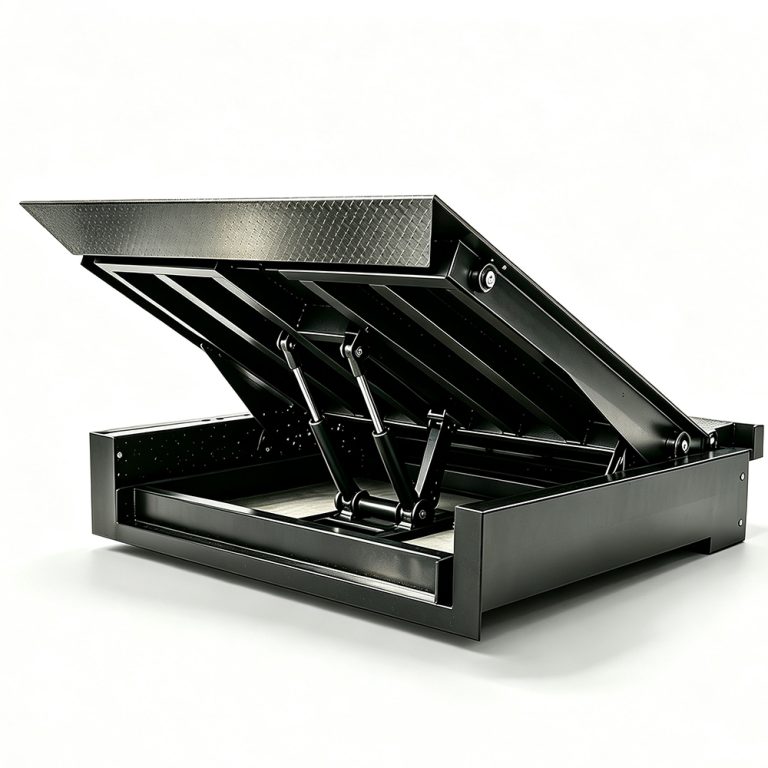
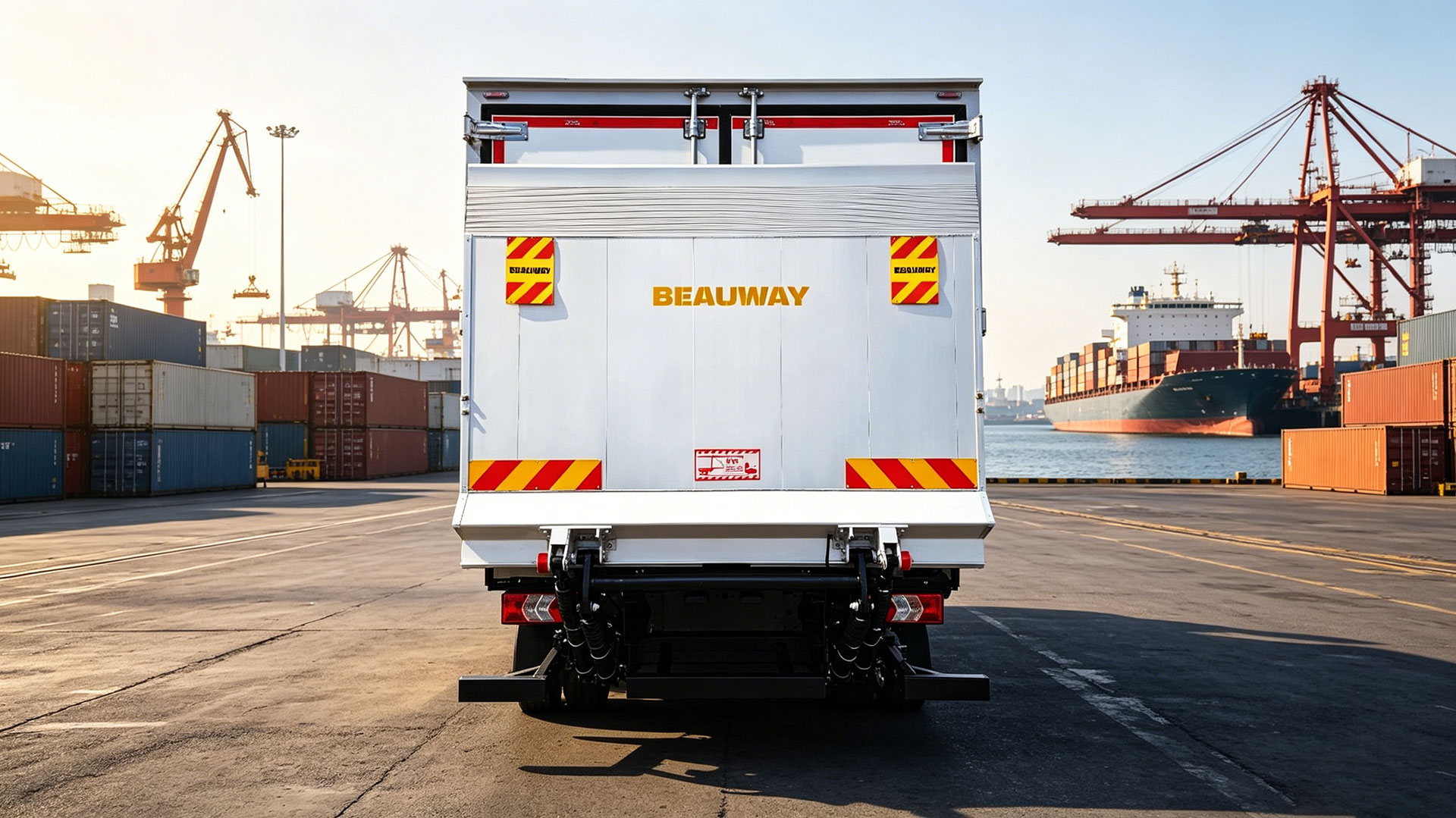
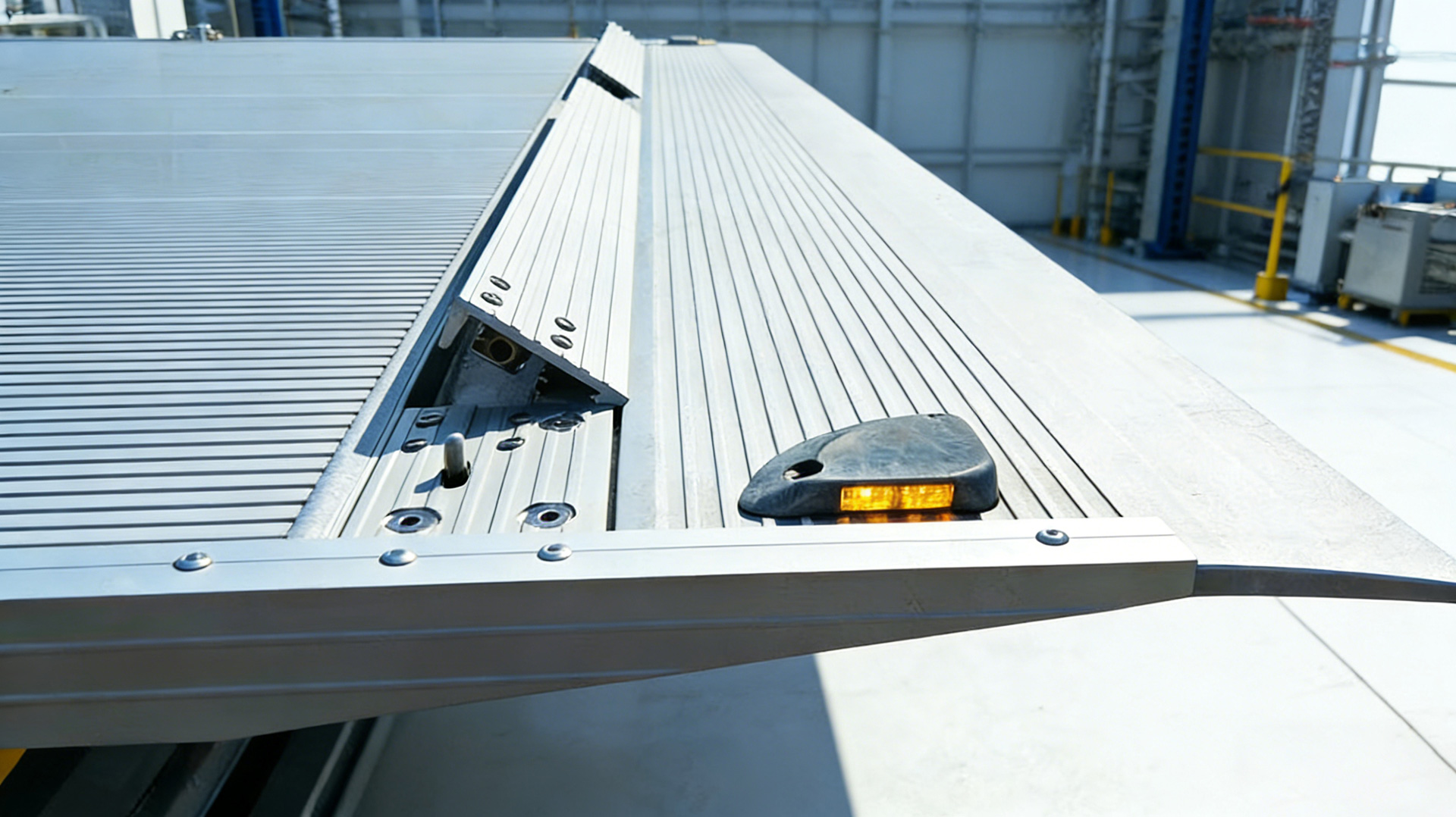
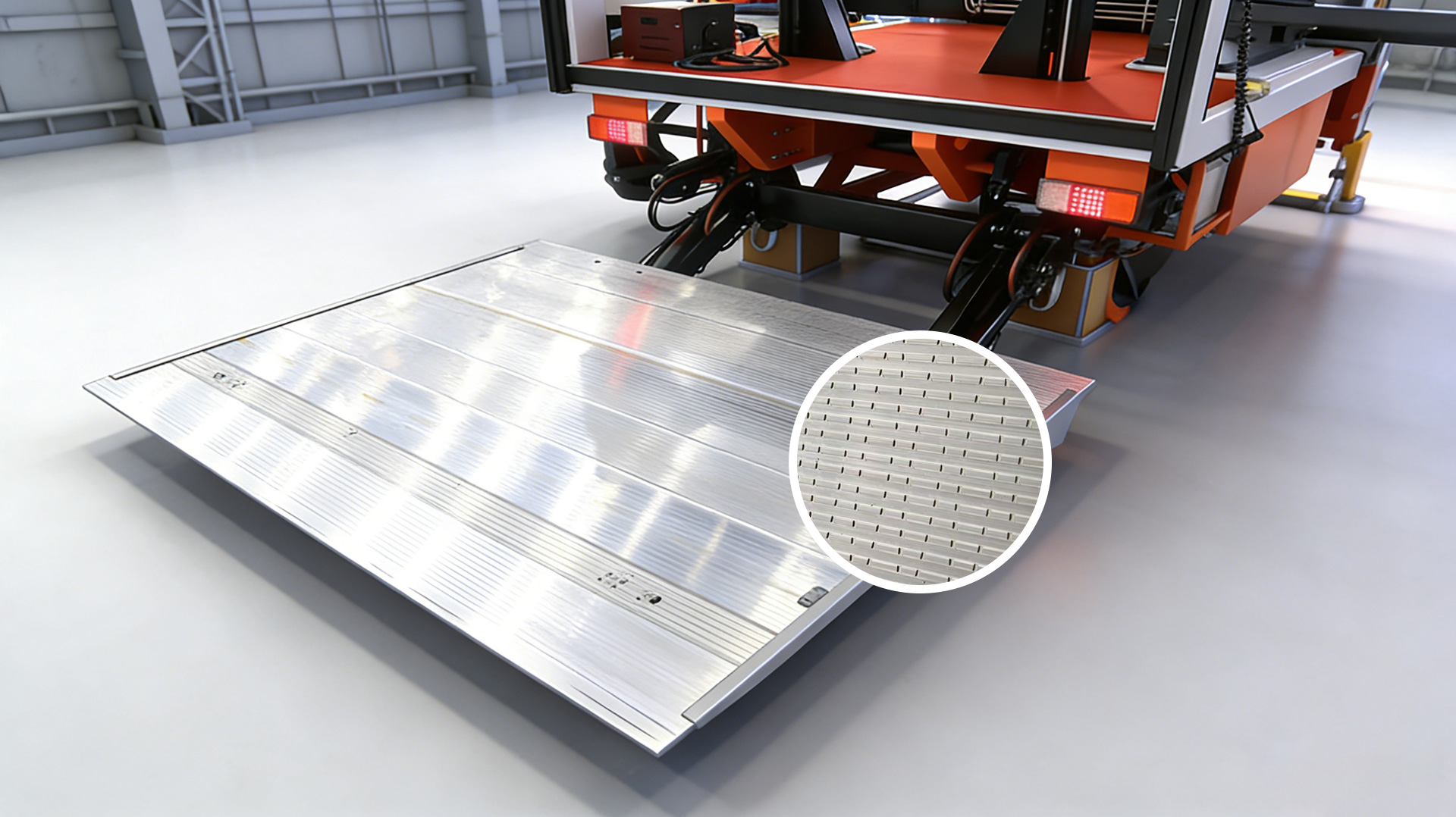
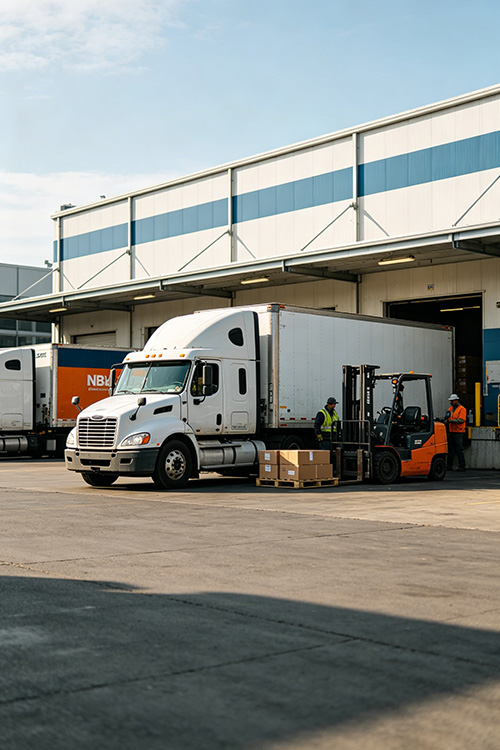
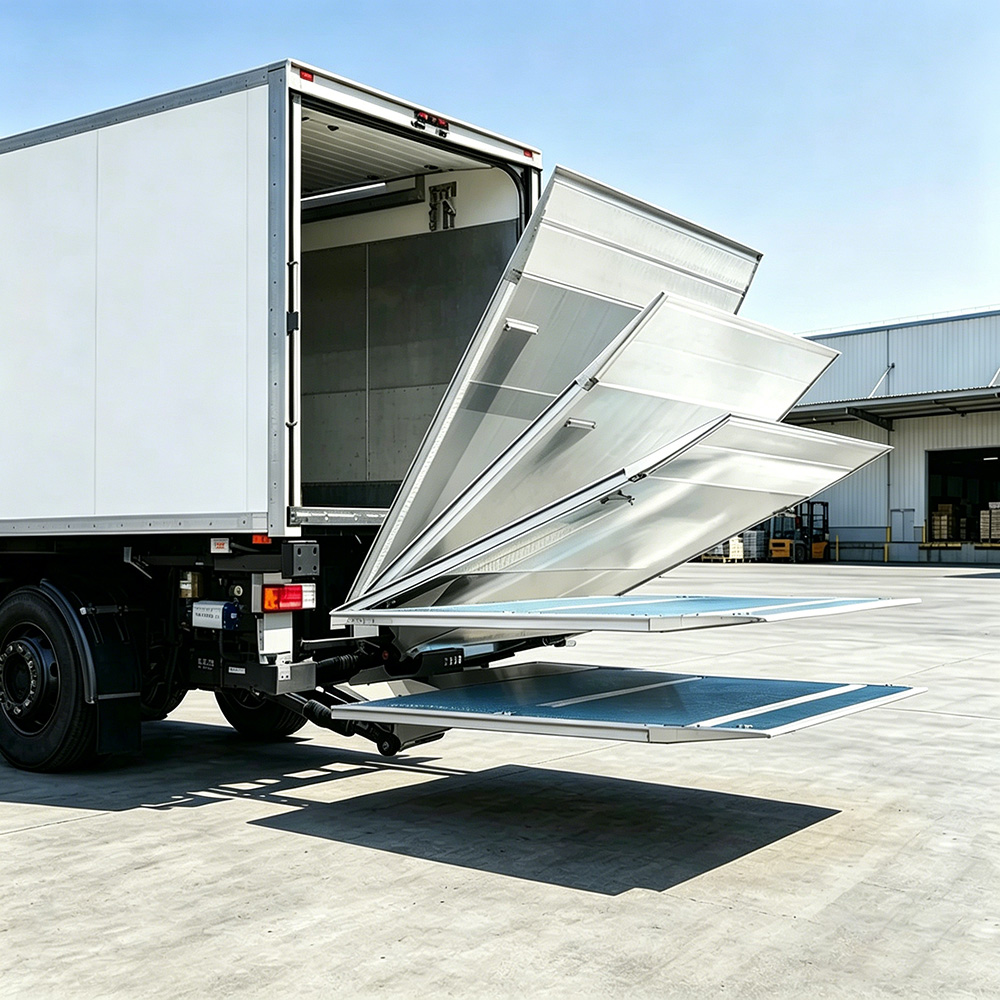
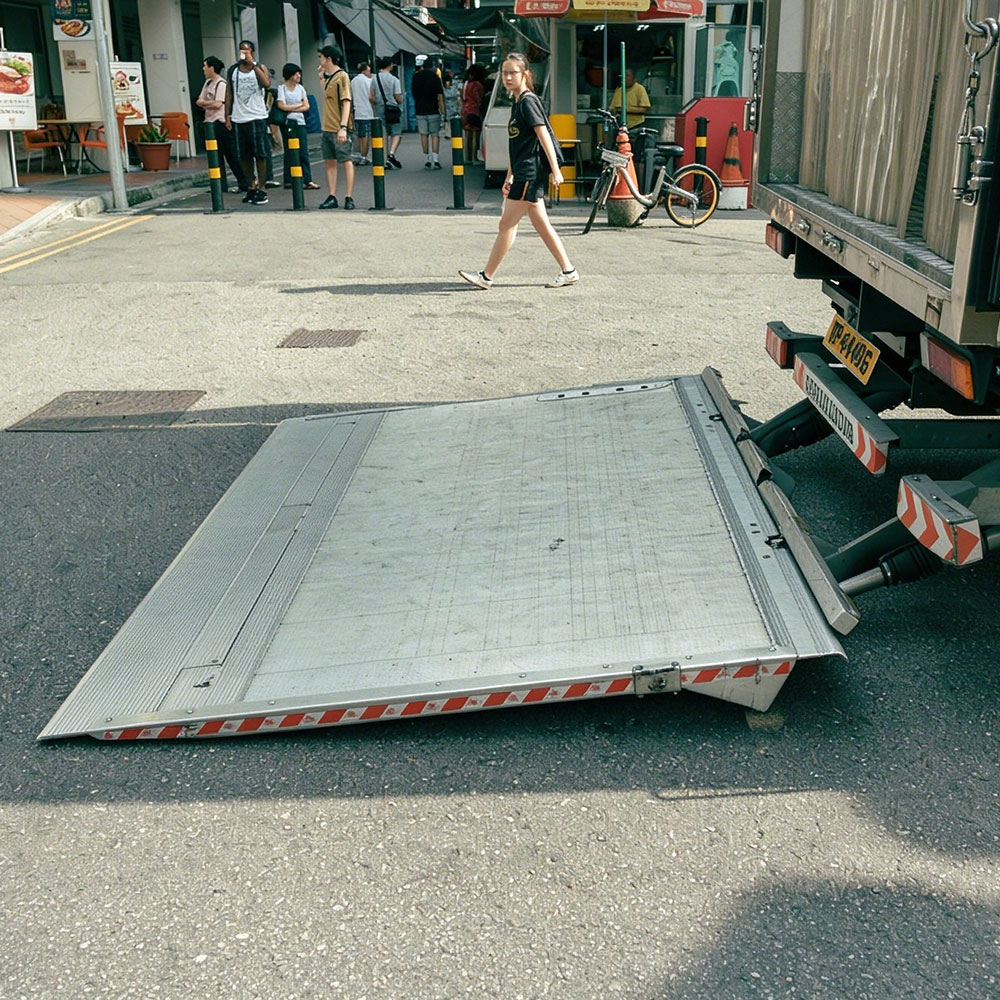
A tail lift is a hydraulic lifting device mounted at the rear of a truck or van. Functioning as a built-in liftgate, it enables operators to raise and lower heavy or bulky goods smoothly between ground level and the vehicle’s loading platform — eliminating the need for manual lifting and reducing the risk of cargo damage or worker injury.
What Are the Main Types of Tail Lifts?
Tail lifts come in several configurations, each designed for specific operational needs. Cantilever tail lifts are ideal for heavy-duty loading, while folding models save space when not in use. Retractable tail lifts sit flush with the vehicle body for a clean profile, and tuck-away designs are perfect for vehicles that require unrestricted rear access. Whether you need an electric tail lift for urban deliveries or a heavy-duty hydraulic model for industrial use, understanding the differences helps you invest in the right solution from the start.
How to Choose the Right Tail Lift Capacity?
Tail lift capacity is one of the most critical factors when selecting a liftgate for your vehicle. Capacities typically range from 500kg to over 2,000kg depending on the model and application. Always assess your maximum load weight before purchasing — choosing an undersized unit not only reduces efficiency but poses serious safety risks. Our specialists can help you calculate the right tail lift capacity for your specific cargo and vehicle type.
Van Tail Lift: The Smart Solution for Last-Mile Delivery
A van tail lift is purpose-built for smaller commercial vehicles operating in urban or suburban environments. Compact in design yet powerful in performance, van tail lifts make last-mile delivery faster, safer, and more cost-effective. They are especially popular in retail distribution, healthcare logistics, and e-commerce fulfillment — anywhere speed and convenience at the point of delivery matter most.
How to Operate a Tail Lift Safely?
Safe operation begins before the lift ever moves. Always park on level ground and engage the parking brake before use. Distribute cargo evenly across the platform and never exceed the manufacturer’s rated tail lift capacity. Raise and lower the platform at a steady, controlled pace — rushing the process increases the risk of accidents. Regular inspection of hydraulic components and controls is equally essential for long-term safe use.
How Do I Maintain a Tail Lift?
Routine maintenance is key to keeping your tail lift performing safely and efficiently. Check hydraulic fluid levels regularly, inspect the platform and hinges for signs of wear or corrosion, and test all control functions before each use. Seals, cables, and electrical connections should be examined periodically by a qualified technician. A well-maintained tail lift not only lasts longer — it protects your cargo and your crew.
What Industries Use Tail Lifts?
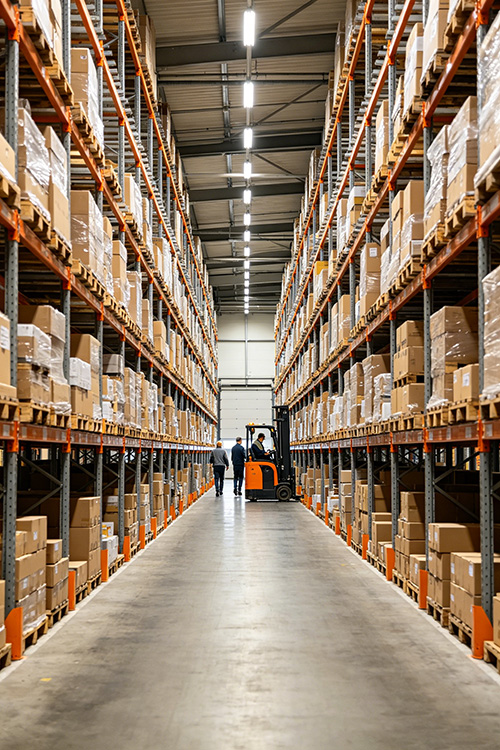
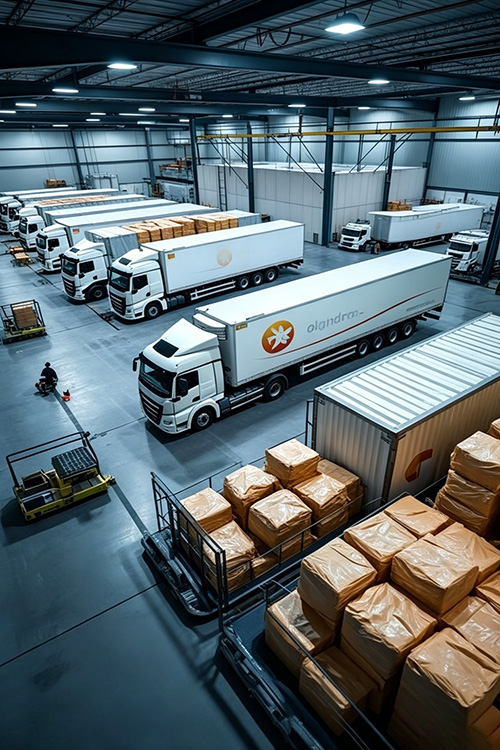
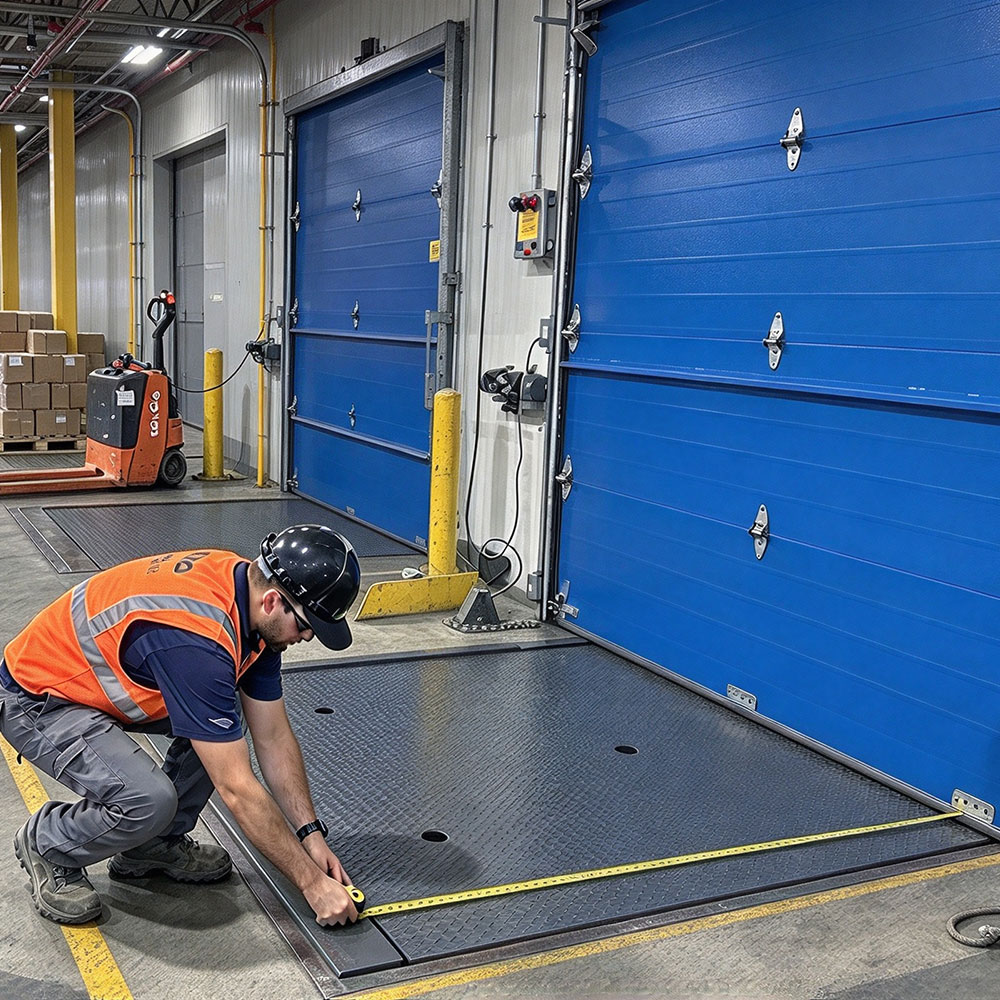
Tail lifts are widely used across logistics, retail, healthcare, construction, and cold chain distribution. Any industry that involves the regular loading or unloading of heavy goods can benefit — from furniture delivery and food distribution to medical equipment transport and warehouse operations. If your team handles freight daily, a tail lift isn’t a luxury; it’s a necessity.
Why Choose Beauway as Your Tail Lift Manufacturer?
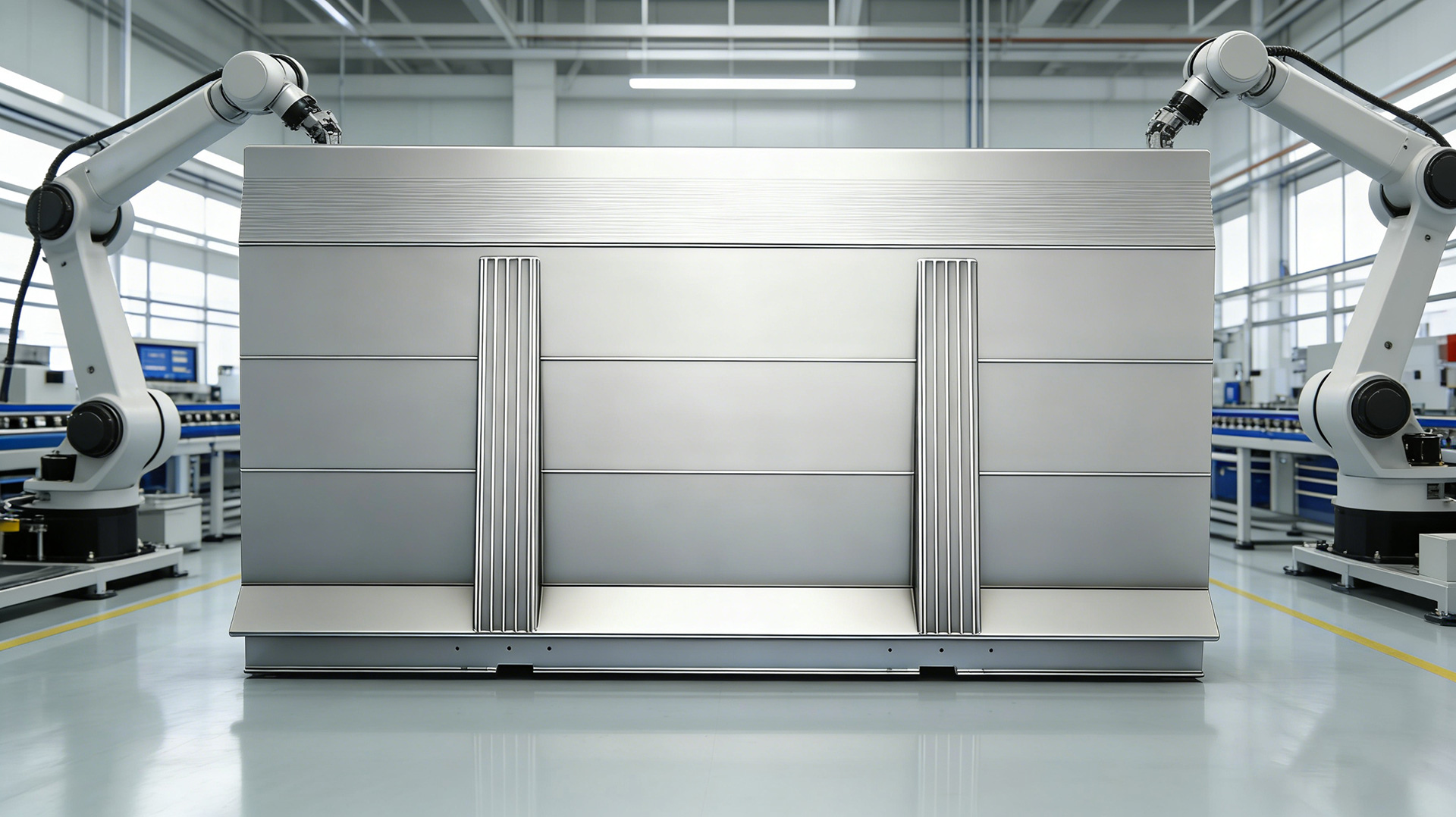
As a trusted tail lift supplier with years of experience serving global markets, Beauway delivers hydraulic liftgate solutions engineered for durability, safety, and long-term performance. Every unit is manufactured to strict international standards and fully tested before leaving our facility. Whether you’re sourcing a single van tail lift or outfitting an entire fleet, Beauway provides the reliability, after-sales support, and competitive pricing that procurement teams depend on. When uptime matters, Beauway delivers.